Why your insurer cares about fire extinguishers: everything you need to know
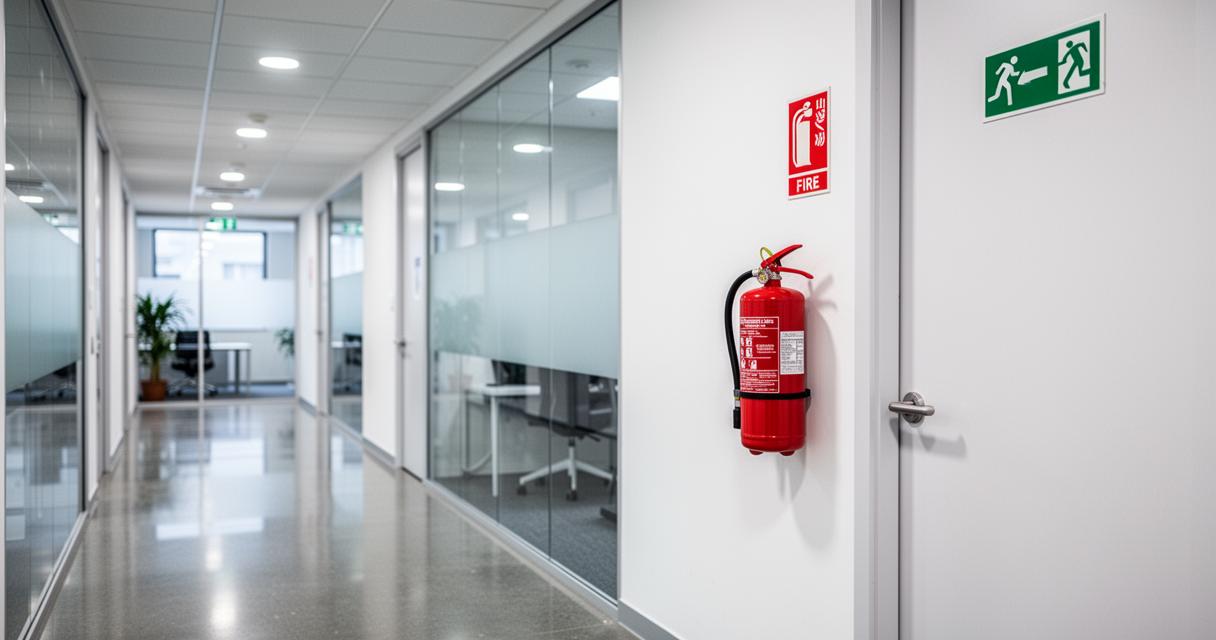
When a business owner thinks about insurance, fire extinguishers might not be the first thing that springs to mind. Yet for insurers, the presence, condition, and maintenance of fire extinguishers in a commercial premises speaks volumes about how seriously a business takes its duty of care. Understanding what your insurer actually looks for (and why) can make a meaningful difference to your cover and your ability to make a claim when it matters most.
Key takeaways
- Insurers view the presence and maintenance of fire extinguishers as a key indicator of a business’s commitment to risk management and duty of care.
- Businesses must ensure they use the correct type of extinguisher for their specific hazards, as using inappropriate equipment can invalidate an insurance claim.
- Commercial premises are legally required to undergo annual maintenance by a competent person in accordance with the British Standard BS 5306-3: 2017.
- Fire extinguishers must be clearly signposted, easily accessible, and positioned exactly where a professional fire risk assessment dictates.
- Beyond annual professional servicing, businesses should conduct and document regular monthly visual inspections to identify potential damage or pressure issues.
- Failing to hire a qualified engineer for servicing or neglecting to keep detailed maintenance records can severely complicate the claims process in the event of an emergency.
How fire extinguishers influence your insurance policy
Insurers assess risk meticulously before agreeing to cover a commercial property, and fire safety compliance sits near the top of their checklist. A business that can demonstrate it has the right equipment in the right place, properly maintained and correctly deployed, presents a significantly lower risk profile. Fire extinguishers are not merely a legal obligation, they are a tangible signal of responsible premises management, one that underwriters take seriously when calculating premiums and assessing liability.
What insurers look for when assessing fire safety compliance
One of the most important factors is whether your extinguishers are suited to the specific hazards of your building. In a commercial kitchen, for example, wet chemical extinguishers are required to address the particular risks posed by cooking oils and fats. Using an inappropriate type of extinguisher not only endangers staff but could also invalidate a claim if an insurer determines that the equipment was not fit for purpose. A thorough fire risk assessment helps identify which extinguishers are needed and where they should be positioned throughout the premises.
Insurers will also want to see evidence that extinguishers have been commissioned upon installation and that ongoing servicing follows the recognised British Standard. Under the Regulatory Reform Fire Safety Order, annual maintenance by a competent person is a legal requirement for commercial premises, and this maintenance must follow British Standard BS 5306-3: 2017. Failing to comply with this standard is not simply a regulatory oversight, it is the kind of gap that insurers notice and that can complicate a claim considerably.
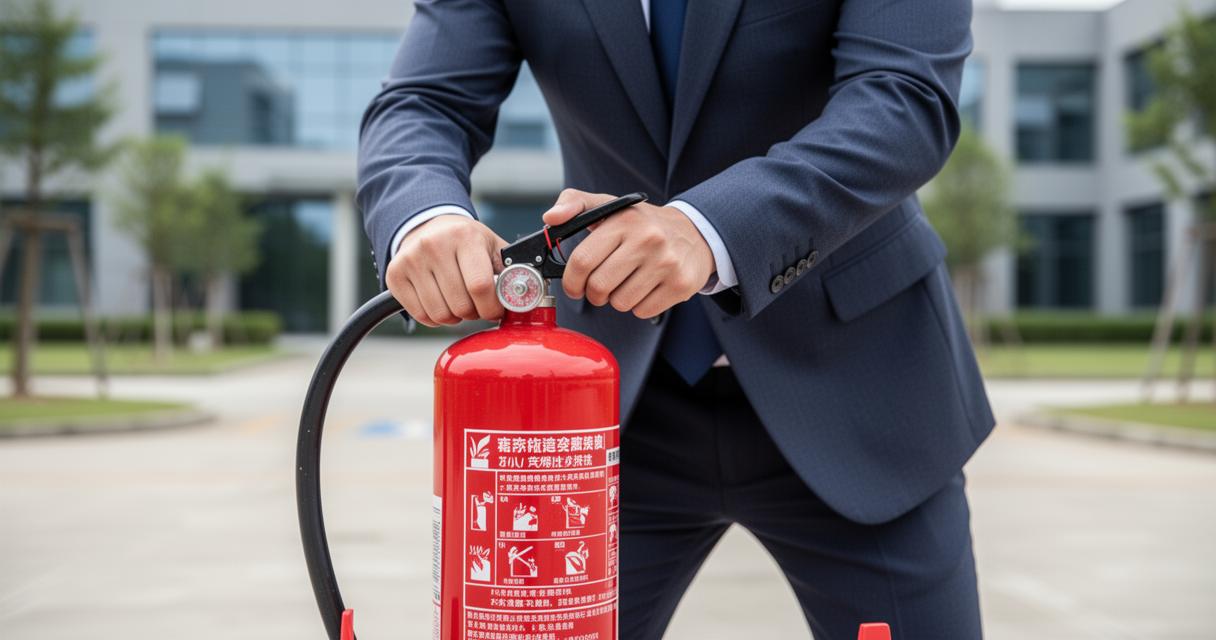
The Impact of Proper Extinguisher Placement on Your Cover
Beyond the type and condition of your extinguishers, their placement throughout the building matters enormously. An extinguisher stored in a back room or obscured by stock is effectively useless in an emergency. Insurers expect equipment to be accessible, clearly signposted, and positioned in line with the findings of a fire risk assessment. Proper placement demonstrates that fire prevention has been genuinely considered, rather than treated as a box-ticking exercise.
Maintaining your fire extinguishers to meet insurance requirements
Even the highest-quality fire safety equipment will fail without consistent upkeep. Maintenance is not a one-off task but an ongoing commitment that spans both formal annual servicing and regular visual checks carried out by responsible staff.
How often your extinguishers should be serviced and inspected
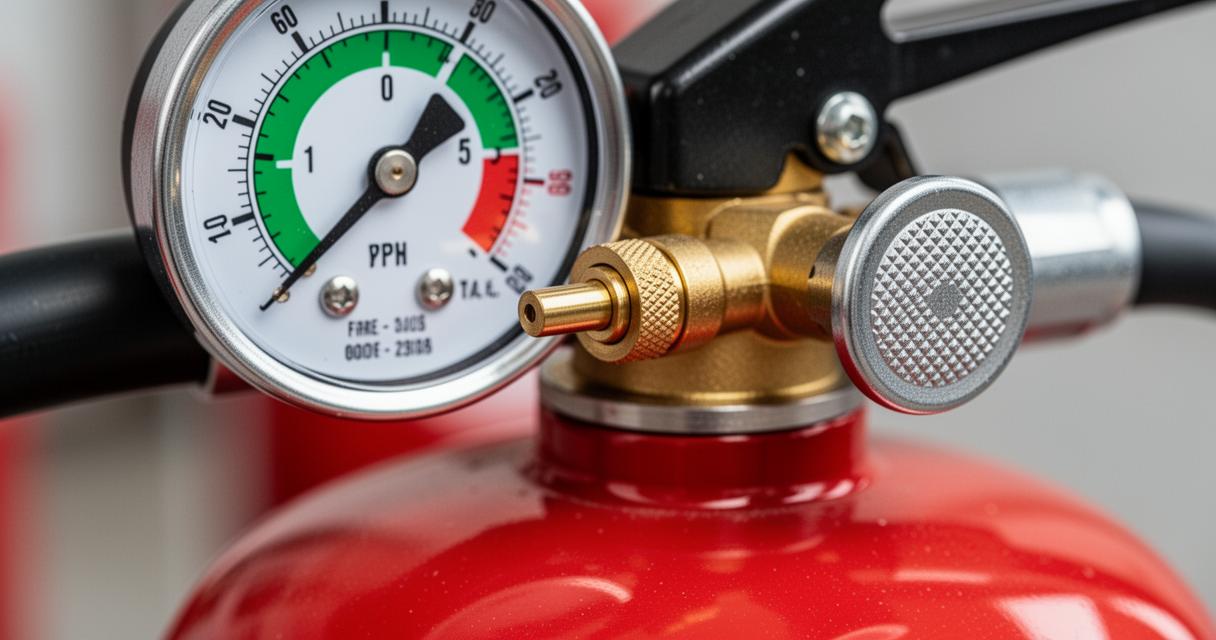
The minimum requirement for fire extinguisher servicing in commercial settings is an annual service carried out in line with BS 5306. During this visit, a qualified engineer will inspect the body, hose, nozzle, pressure gauge, and locking pins, and update the extinguisher maintenance tags with the date, weight, service details, and next scheduled inspection date. Water, foam, and powder extinguishers also require a full extinguisher discharge and refill every five years, while CO2 extinguishers must be refurbished after ten years.
Alongside annual servicing, a monthly visual inspection is strongly recommended to ensure extinguishers remain in proper working order between professional visits. These checks should cover several key areas.
- Examining the extinguisher pressure gauge to confirm the needle sits within the correct range.
- Verifying that the tamper seal is fully intact and that the safety pin has not been disturbed.
- Inspecting the body for visible damage, dents, or corrosion, as a damaged body may pose a risk of bursting.
- Checking the hose for any signs of tears or fraying that could impair an effective discharge.
The results of these inspections should always be recorded, and any issues identified must be addressed without delay. Keeping a clear written log provides vital evidence of due diligence, evidence that can prove invaluable should an insurance claim ever arise.
Common maintenance mistakes that could affect your insurance claim
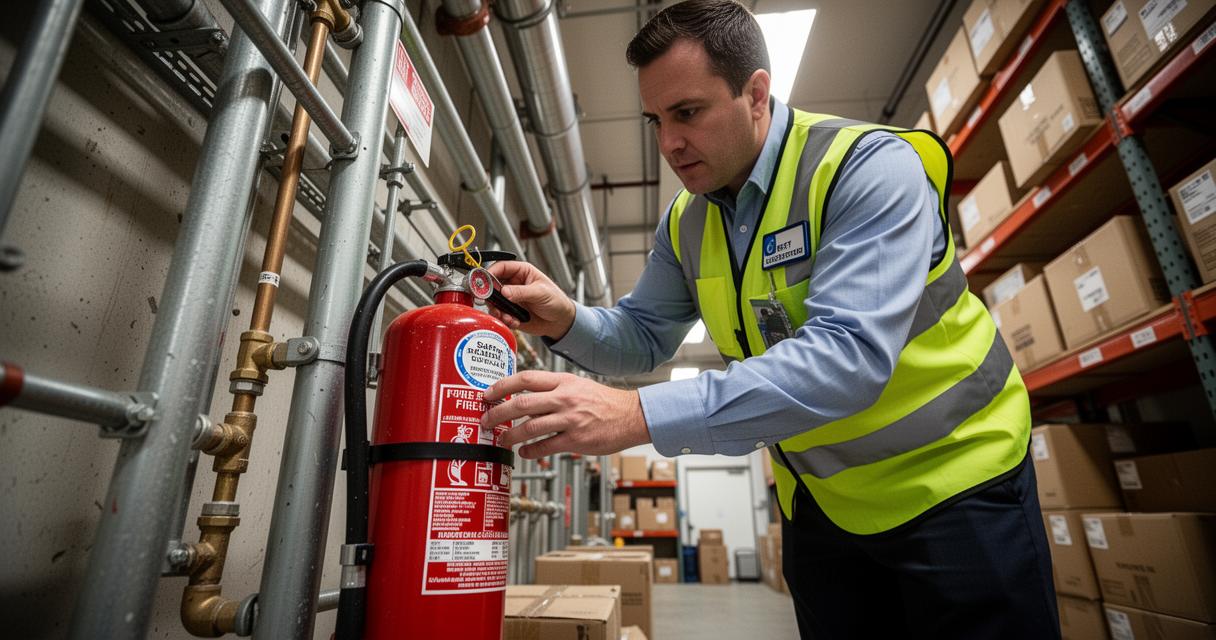
Many businesses fall into avoidable traps when it comes to fire extinguisher maintenance. One of the most common is failing to arrange servicing by a genuinely competent person, someone with the appropriate qualifications and knowledge of current fire safety standards. Using an unqualified individual, however well-intentioned, may not satisfy the requirements of your insurer or of the Regulatory Reform Fire Safety Order. Similarly, neglecting the monthly visual checks or failing to keep inspection records can leave a business unable to demonstrate compliance at the point of a claim. In workplace fire safety, documentation is not bureaucracy, it is protection.